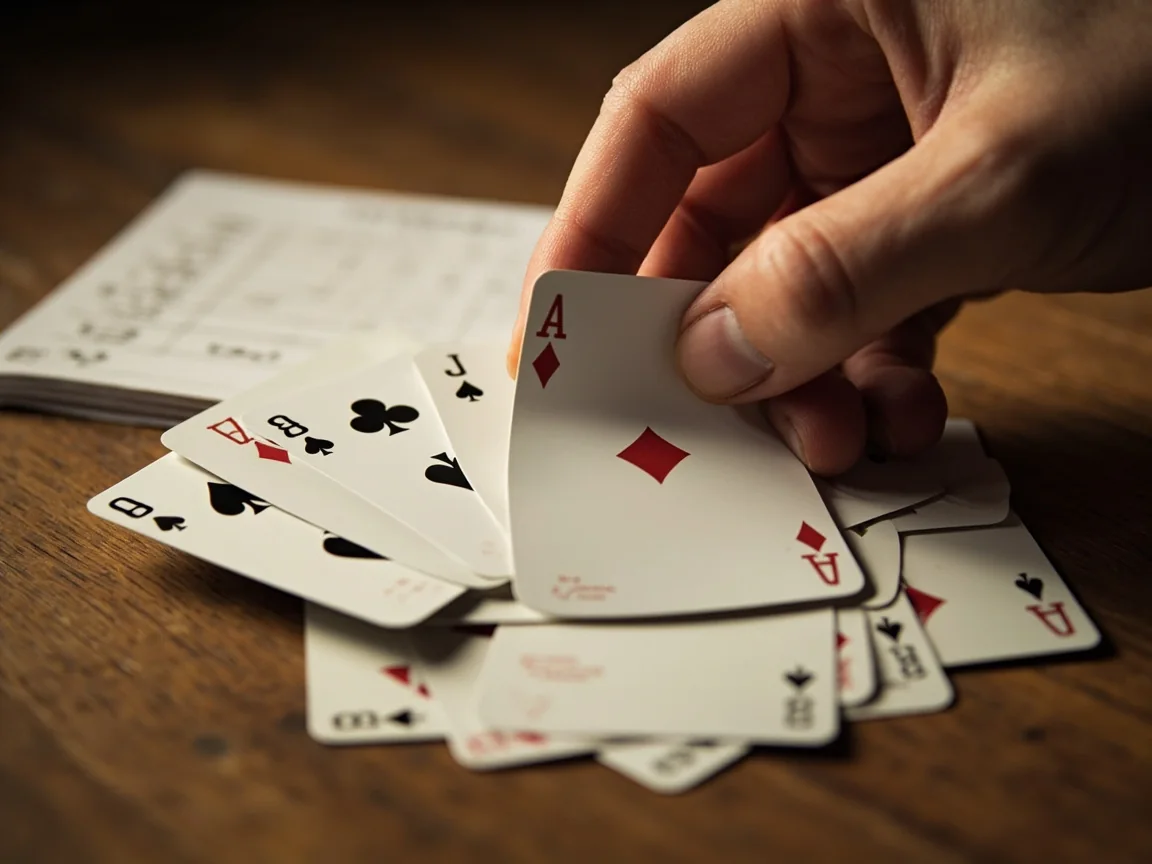
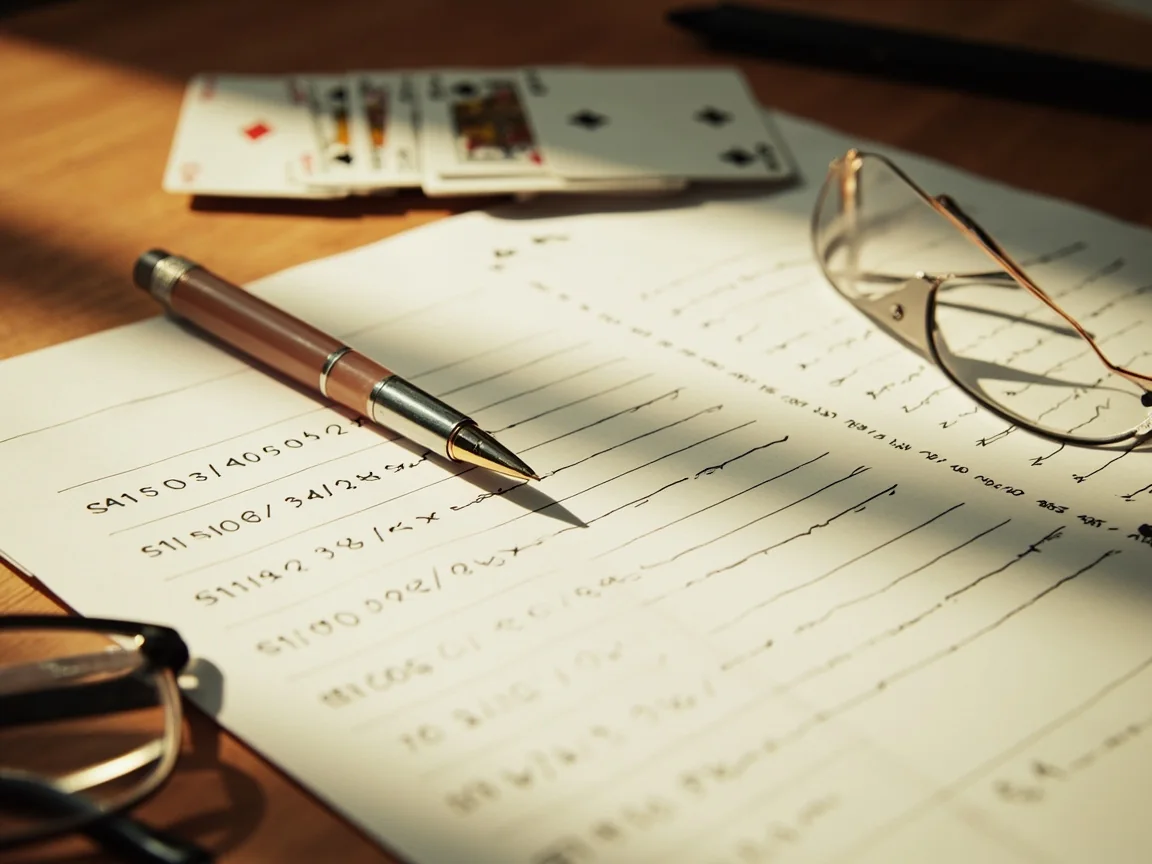
In a single-hand points table, the discard-math school is the dominant tool. Opponent modelling has too little data to act on within a single hand. Train the safe-discard habit first; revisit opponent modelling when you play pool or deals.
In a pool table with an elimination threshold of 101, opponent modelling becomes a serious input. Across the fifteen to twenty hands a typical pool session lasts, the table patterns will resolve into identifiable signatures. Keep a mental log of each opponent's draws and discards; revisit your model after each hand.
In a deals table with two or three deals per set, the math is more interesting. The session is short enough that opponent modelling is unreliable, but the score differential carries forward — so a single big mistake is more painful. Weight the discard-math school slightly higher than the modelling school.
The mental-game signal
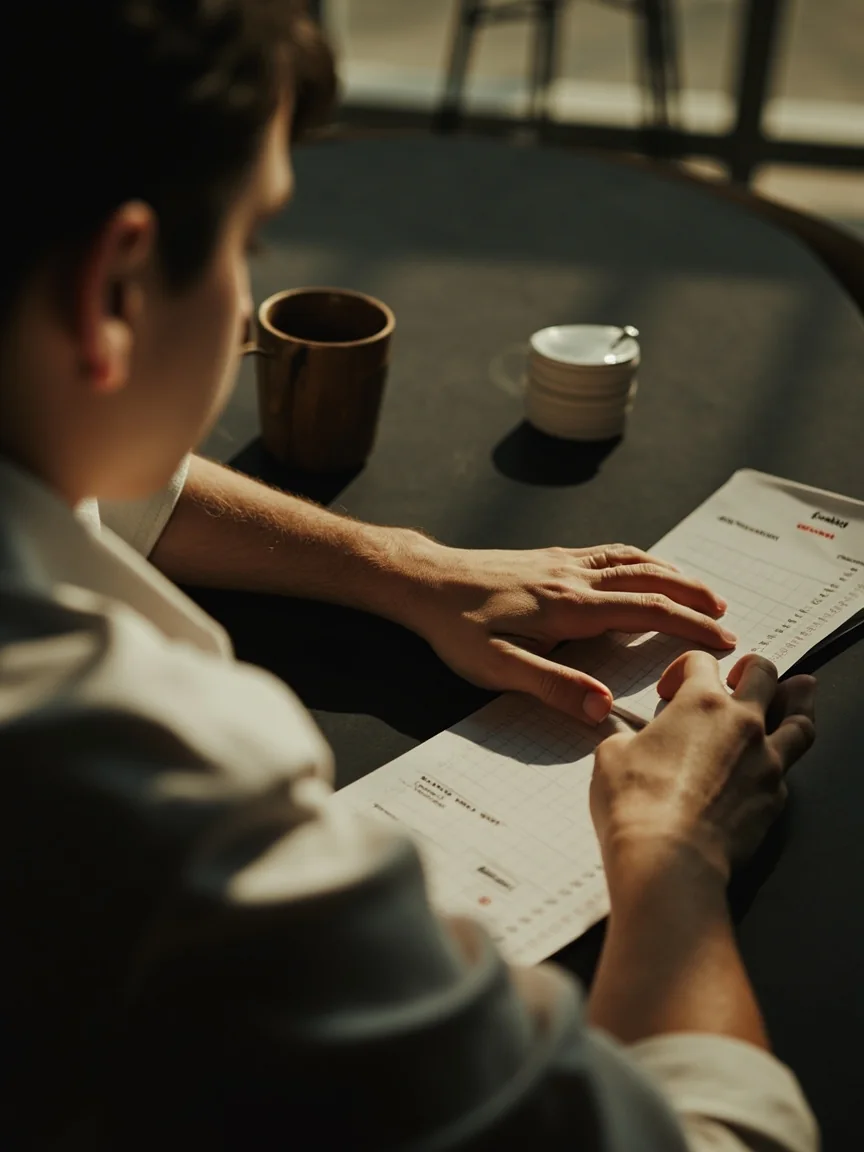
There is a third input neither school formally names: your own state of mind. The format rewards patience and punishes tilt. A session played while angry, tired or rushed produces worse decisions regardless of which school you have trained. The single most useful strategy tool is a stop-loss on the session itself — when you reach it, stop, and stop without negotiating with yourself. The responsible-play page has operator-side tools that enforce that stop if your own self-discipline slips.
We do not claim either school produces a guaranteed edge at the table. We claim that combining both, weighted by format, produces better decisions than either alone, and that the difference is measurable across a month of sessions.